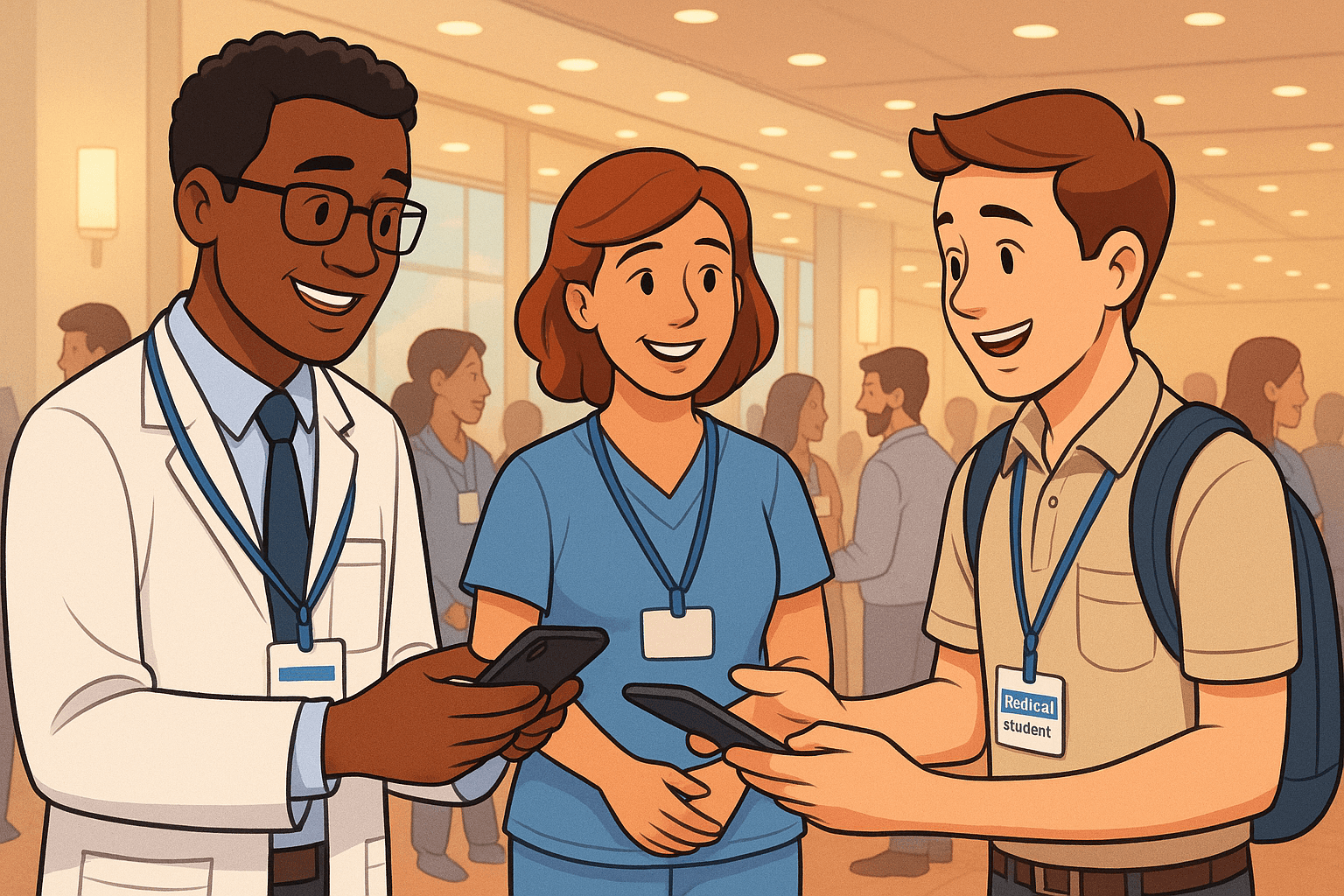

If you’re a doctor, nurse, or medical student, building a professional network isn’t just a career bonus — it’s essential. In medicine, opportunities, mentorship, research roles, and even job interviews often come from the people you know, not just what you know. Yet most medical schools don’t teach us how to build a professional network, especially if you’re an IMG working in a new country.
This guide breaks everything down into simple, actionable steps you can start today — even if you’re busy, shy, or starting with zero contacts.
Why a Professional Network Matters in Medicine
Medicine is a demanding field, and having a strong professional network can open doors that qualifications alone cannot. It helps you find better roles, gain mentorship, learn from experts, and build long-lasting relationships.
Here’s why networking matters:
Career Growth Through a Strong Professional Network
A good network helps you access:
-
Training positions
-
Fellowships
-
Research collaborations
-
Internal job referrals
-
Clinical shadowing or observership opportunities (especially important for IMGs)
For example, many professional opportunities in healthcare are shared privately long before they appear publicly. The American Medical Association highlights why physician networking and mentorship matter.
Support, Guidance & Mentorship
A professional network can connect you with senior clinicians who offer guidance, share lessons they learned the hard way, and help you avoid common career mistakes.
Professional Confidence & Emotional Support
Medicine can feel isolating — especially abroad. Having peers you can talk to makes your journey lighter and healthier.
If you often feel overwhelmed working abroad, read:
👉 10 Mistakes I Made as a New Doctor Abroad — So You Don’t Have To
Common Pain Points When Building a Professional Network
Most doctors struggle with networking due to:
Lack of Time
Long shifts and unpredictable workloads make networking feel impossible.
Being Introverted or Unsure How to Start
Many medical professionals feel awkward starting conversations.
Not Knowing Where to Begin
School teaches anatomy, not networking.
Being an International Medical Graduate (IMG)
Starting a new life in a new system with zero local contacts is tough.
Fear of Seeming Opportunistic
Doctors don’t want to look like they’re “using” others.
The good news? These are all solvable with simple, repeatable habits.
How to Build a Professional Network as a Medical Professional: Step-by-Step Guide
1. Start With the People You Already Know
Your first professional network includes:
-
Co-interns, residents, consultants
-
Nurses, physiotherapists, pharmacists, EMTs
-
Hospital administrative staff
-
Clinicians in teaching or audit committees
Be friendly, reliable, and consistent — people will naturally want to stay connected with you.
For more daily routines to support your growth, read:
👉 Simple Evening Routines for Doctors to Recharge & Relax
2. Use LinkedIn to Grow Your Professional Network
LinkedIn is one of the best platforms for medical networking, especially for IMGs.
How to Optimize Your Profile
-
Professional photo
-
Clear headline (e.g., Emergency Medical Officer | IMG | Interested in Acute Care)
-
Highlight clinical skills, research, CME, and achievements
A guide by LinkedIn itself explains how to optimize your profile.
What Doctors Should Post
-
Clinical tips (general, not patient-specific)
-
Study updates or exam journey
-
Conference takeaways
-
Personal growth stories
-
Interesting medical facts
Engage Consistently
Even 5 minutes a day helps:
-
Like 3 posts
-
Comment on 1 post
-
Send 1 connection request
Over time, your reach compounds.
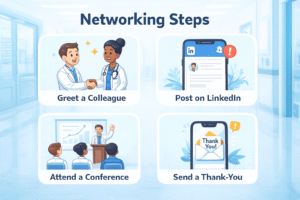
3. Join Medical Groups and Communities
To expand your professional network, join:
-
Specialty associations
-
IMG communities
-
Local medical societies
-
WhatsApp/Telegram hospital groups
-
Facebook groups for healthcare professionals
These groups often share hidden job openings, CME events, and peer support.
4. Grow Your Professional Network at Conferences and CMEs
Medical events are powerful networking opportunities.
How to Prepare Before You Attend
-
Review the speakers
-
Identify 2–3 people you want to meet
-
Follow them on LinkedIn first
How to Introduce Yourself
A simple approach:
“Hi, I’m Dr. _____. I work in _____. I really enjoyed your talk on ____ and would love to learn more about your work.”
Follow Up
Send a connection request within 24 hours:
“Great meeting you at ____. I’d love to stay connected.”
5. Ask for Mentorship the Right Way
Mentors accelerate your medical career.
How to Choose a Good Mentor
Look for someone who is:
-
Approachable
-
Experienced
-
Enjoys teaching
-
Familiar with your career pathway
How to Ask Politely
“Would you be open to a 15–20 minute conversation about career guidance? I admire your path in ______ and would appreciate your advice.”
This builds a respectful, non-demanding relationship.
Networking as an IMG: Building a Professional Network Abroad
Start With Local Medical Communities
Attend orientation confidently, introduce yourself to colleagues, and volunteer for clinical audits or presentations. Showing initiative helps you stand out.
Use LinkedIn Aggressively but Professionally
Many IMGs land observerships, references, or interviews through consistent LinkedIn presence.
Show Reliability & Good Work Ethic
In a new country, your reputation becomes your most powerful networking tool.
👉 How Working Abroad Changed My View on Medicine and Life
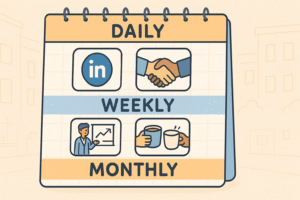
Daily, Weekly, and Monthly Habits to Grow Your Professional Network
Daily 5-Minute Habits
-
Engage on LinkedIn
-
Greet colleagues
-
Reply kindly in group chats
Weekly Habits
-
Attend one teaching session
-
Send one thoughtful message or check-in
-
Share a useful resource (article, case, CME)
Monthly Habits
-
Attend a conference or workshop
-
Update your CV or LinkedIn
-
Review your networking progress
These small habits create massive results over time.
What NOT to Do When Building a Professional Network
Avoid these common mistakes:
-
Only contacting people when you need help
-
Being overly formal
-
Sharing patient details (confidentiality first)
-
Spamming messages
-
Building one-sided relationships
A professional network thrives when it’s genuine, not transactional.
Helpful Tools to Strengthen Your Professional Network
-
LinkedIn – For visibility and connections
-
Doximity (For US doctors) – Networking and job search
-
ResearchGate – Research networking
-
Specialty associations – Local and international
-
WhatsApp groups – Hospital-level communication
Conclusion
Building a strong professional network is not about being extroverted or attending big conferences. It’s about consistency, kindness, and showing genuine interest in people. Anyone — even a busy or introverted doctor — can build meaningful professional connections with small steps every day.
If this guide helped you, share it with another doctor who wants to grow their career.






1 comment
Much appreciated Dr.🥰