

Moving abroad sounds exciting — but when the initial thrill fades, many doctors suddenly realize how difficult it is to make friends in a new country. The absence of familiar faces, irregular hospital shifts, language barriers, and cultural differences can turn even simple social interactions into a challenge. If you’ve ever struggled to find friends, felt isolated in your new environment, or wondered how other foreign doctors successfully build their support systems, you’re not alone.
This guide explores why social isolation is so common, practical steps to make friends abroad, and how to thrive emotionally in a completely new world.
Why Making Friends Abroad Is Harder for Doctors
Doctors face unique challenges that make forming friends more difficult than the average expat.
1. Irregular hospital shifts limit time for friends
Night shifts, long hours, and sudden roster changes mean your schedule rarely aligns with others. By the time you’re off, most people are already home or asleep — making spontaneous plans or meeting new friends harder.
2. No built-in support system when moving overseas
Back home, you have family, university friends, and colleagues you’ve known for years. Abroad, you start from zero — a blank slate that can feel overwhelming.
3. Language barriers slow down forming friends
Even if locals are friendly, misunderstandings happen. A small language gap can make it harder to bond casually and naturally.
4. High turnover among expat friends
In many countries, including the Maldives and Middle East, expats move frequently. You might finally make friends, only to have them leave in six months.
5. Emotional fatigue from working in healthcare
Working long hours in high-stress environments drains your social energy, making it difficult to initiate conversations or meet new friends.
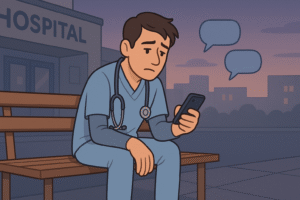
The Psychology of Loneliness Abroad and the Need for Friends
Loneliness abroad feels heavier because everything around you — the food, people, weather, culture — is unfamiliar. Humans are wired to thrive in stable, connected environments. When connection disappears, stress hormones increase.
According to the CDC, chronic loneliness can significantly impact mental and physical health, increasing the risk of depression and anxiety:
This applies even more strongly to foreign doctors who deal with high-pressure situations daily.
Practical Ways to Make Friends Abroad as a Doctor
1. Start with workplace friends — the easiest and fastest option
Your hospital is the best place to begin building friends abroad. You already share:
-
common work experiences
-
similar stressors
-
similar professional interests
Simple acts like sharing snacks, checking in after a busy shift, or offering help create natural friendships.
2. Join expat groups to meet friends who understand your struggles
Look for:
-
Facebook expat communities
-
WhatsApp social groups
-
Meetup hobby groups
-
Doctors-only expat groups
These people understand cultural differences, loneliness, and the challenges of adapting — making it easier to become friends quickly.
3. Say “yes” more often to social invitations
In the first few months abroad, saying “yes” (even when you feel shy or tired) helps you meet more people. A dinner, a weekend outing, or even a small potluck can connect you with potential new friends.
4. Build friends through your hobbies
Shared activities create instant connection. You can meet friends through:
-
badminton clubs
-
gym classes
-
running groups
-
gaming communities
-
fishing trips
-
photography meets
Passions make socializing feel effortless.
5. Learn a few local phrases to make friends faster
You don’t need full fluency — just enough to:
-
break the ice
-
show respect
-
express friendliness
Locals appreciate your effort, making friendships easier to form.
6. Create shared rituals with your new friends
Weekly hikes, dinner nights, or sports sessions help maintain friendships and reduce isolation.
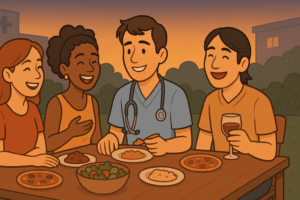
Hospital Life Abroad: How Doctors Can Build Friends in a Clinical Environment
1. Form micro-friendships during breaks
Quick conversations in the pantry, during rounds, or in the ER can gradually form deeper friendships.
2. Find senior mentors who become long-term friends
Mentorship relationships often evolve into trusted friendships that help you professionally and emotionally.
3. Take part in hospital events or team gatherings
Celebrations, training sessions, and CME activities help you meet new colleagues and potential friends naturally.
4. Recognize cultural boundaries when forming friends at work
Respecting norms around gender, communication style, and privacy helps build stable friendships abroad.
For cultural sensitivity guidelines, WHO provides helpful global communication resources.
Cultural Intelligence: The Secret to Making Friends Abroad
Understanding cultural cues dramatically improves your ability to make friends.
1. Observe first, act second
Watch how locals behave socially:
-
Do they greet with handshakes?
-
Are they formal or casual?
-
Do they value small talk?
Understanding these helps you make friends without awkwardness.
2. Ask curious, respectful questions
People love talking about their culture — it makes forming friends easier and faster.
3. Accept that friendships form differently in each culture
Some societies prioritize slow trust-building; others are open instantly. Adjusting your expectations helps you make lasting friends.
What to Do When You Still Feel Lonely Despite Having Friends Abroad
1. Create grounding routines for emotional balance
To reduce isolation:
-
journal daily
-
meditate 5–10 minutes
-
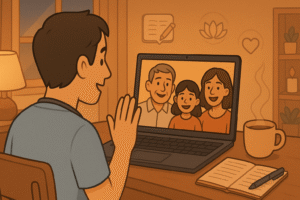
schedule weekly video calls with family
-
maintain a fitness habit
2. Seek therapy or emotional support if needed
Many expats benefit from online therapy. Loneliness is not a sign of weakness — it’s a natural part of adapting abroad.
3. Build your own social initiatives
Start a small badminton group, organize weekend coffee gatherings, or host occasional potlucks. When you create a social circle, friends naturally follow.
FAQ — Questions Doctors Ask About Making Friends Abroad
How can doctors make friends with irregular shifts?
Use free time strategically and stay consistent with one or two weekly social commitments.
Is it normal to feel lonely in the first year abroad?
Yes — almost all expat doctors experience this. It improves as you build routines and friends.
How can introverted doctors make friends abroad?
Start with small groups, shared hobbies, and workplace micro-connections.
Are expat friendships temporary?
Many are, but that doesn’t reduce their value. Some of your closest life-long friends may be people you meet abroad.
Making Friends Abroad Takes Time, but You’re Not Alone
Making friends abroad isn’t just about socializing — it’s about creating emotional stability, support, and a sense of belonging. Whether you’re working as a foreign doctor, navigating cultural differences, or trying to build a life from scratch, remember: meaningful friends take time to form, but each small step brings you closer.
You are not alone. Thousands of expat doctors feel exactly like you — and many of them will become your future friends, teammates, and lifelong supporters.




2 comments
Thank you so much
Thank you so much