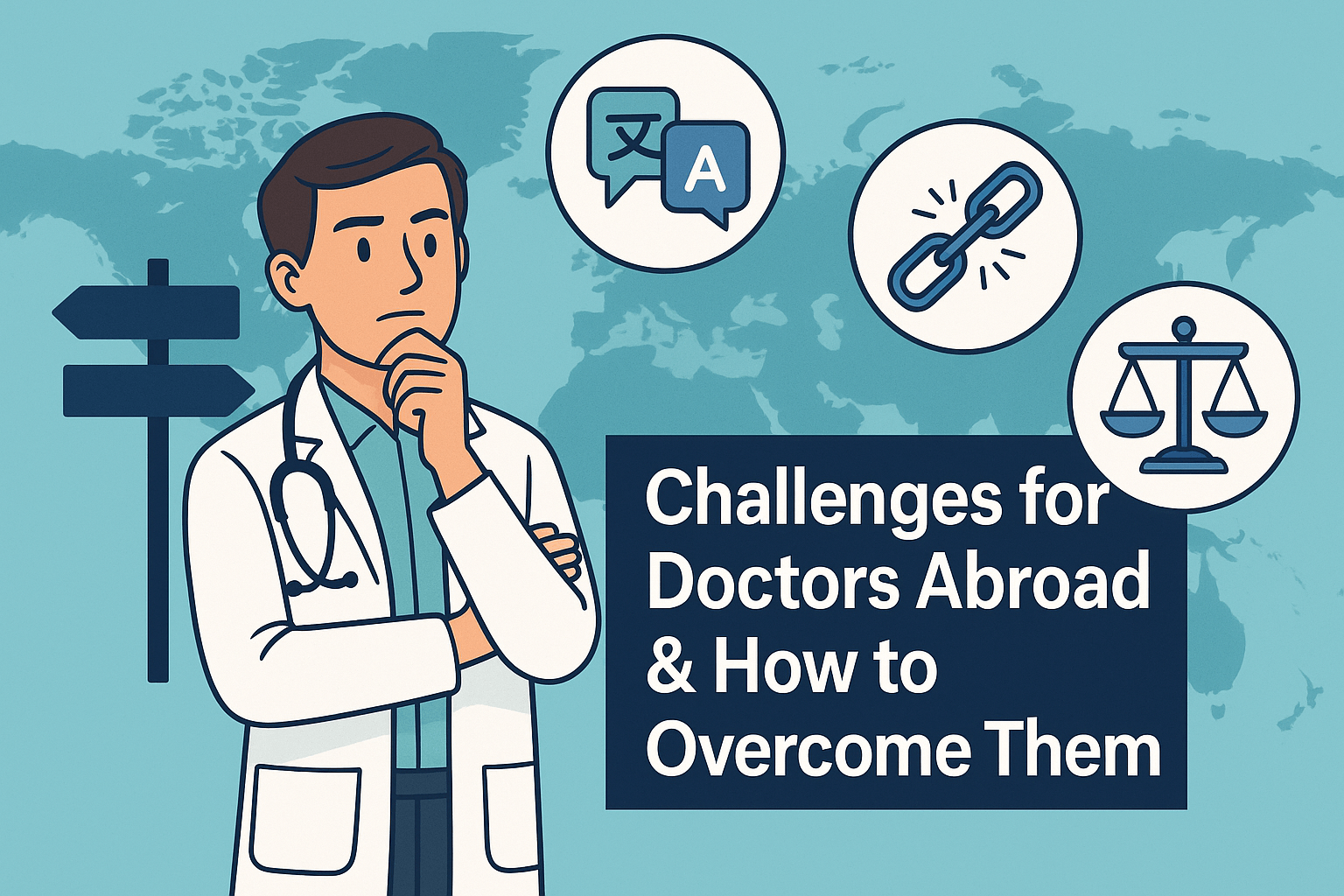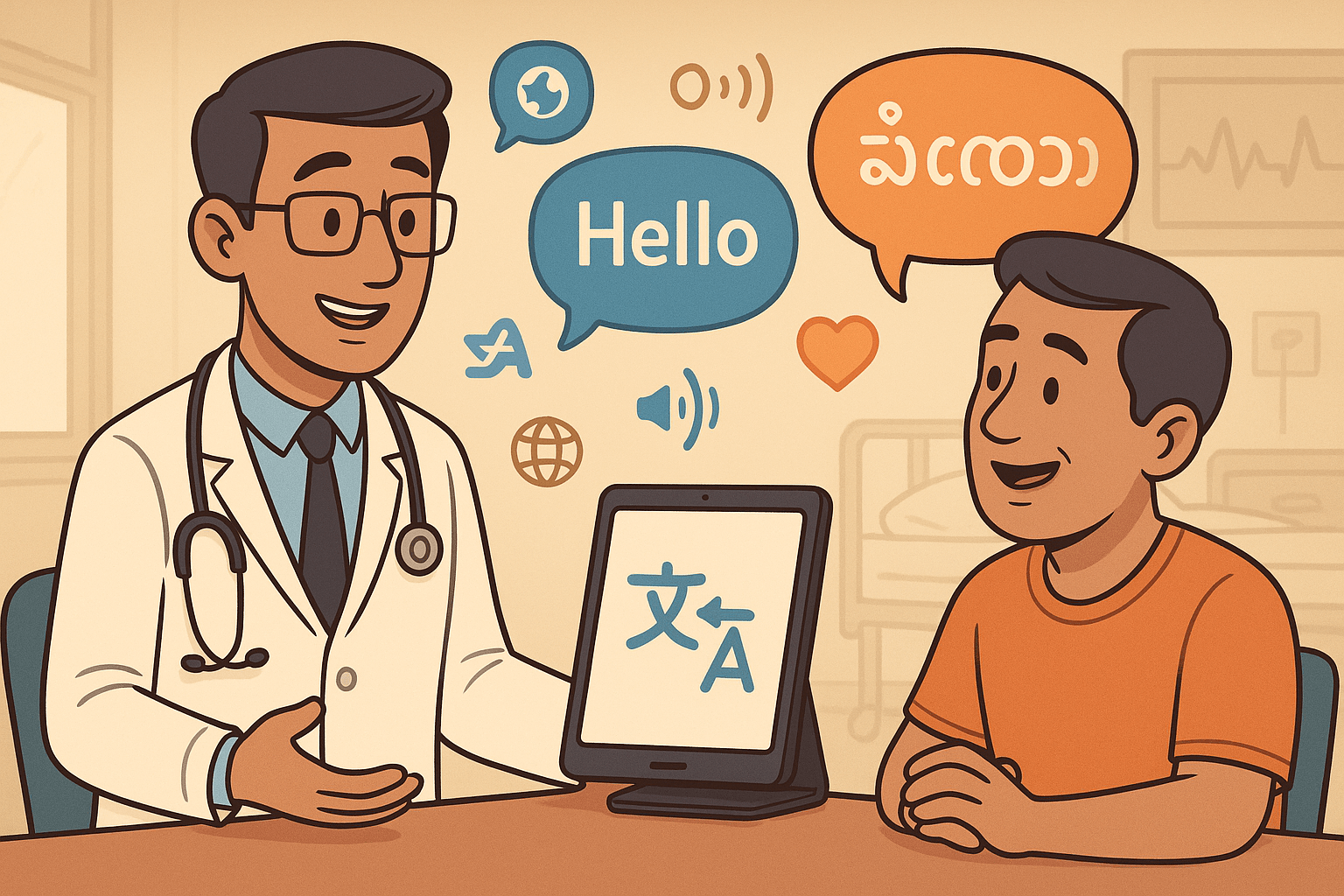

As a foreign doctor working in a multilingual environment, I quickly learned that language is more than just words — it can determine whether a patient receives the correct diagnosis, understands their treatment, or even feels safe enough to trust me. In fast-paced hospital settings, especially in the Emergency Department, language barriers can lead to miscommunication, medical errors, and emotional distress. But with the right strategies and tools, doctors can communicate clearly and deliver safe, compassionate care across any language or culture.
Why Language Barriers in Hospitals Are a Serious Medical Risk
How Language Gaps Cause Misdiagnosis and Medical Errors
When patients cannot describe symptoms due to a language mismatch, diagnosis becomes guesswork. According to the Agency for Healthcare Research and Quality, communication failures are one of the leading causes of adverse medical events. Something as simple as misunderstanding chest discomfort versus abdominal pain can completely change management.
The Emotional Impact of Language Barriers on Patients
Patients who cannot clearly speak their symptoms often feel anxious, misunderstood, and powerless. This affects compliance, trust, and recovery.
Cultural and Language Differences Affect Consent
Explaining procedures or risks becomes complicated when language and cultural expectations differ. A study from Mayo Clinic shows that cultural misunderstandings significantly increase consent errors.
Source: https://www.mayoclinic.org/
My Practical Strategies to Communicate Across Any Language
Using Simple Language and Universal Communication Cues
The first rule of breaking language barriers is simplifying your speech. Short sentences. Slow pace. No jargon. Combine words with gestures, facial expressions, and drawings. This alone solves 40–50% of basic misunderstandings.
Using Professional Interpreters for Accurate Language Translation
Whenever available, interpreter services are the safest option. They reduce misdiagnosis, improve patient satisfaction, and eliminate the dangers of family members “filtering” information. Interpreter use is strongly recommended by the World Health Organization.
Source: https://www.who.int/
When to Use Translation Apps for Language Support
Apps like Google Translate, Microsoft Translator, and MediBabble are incredibly helpful for quick phrases or initial assessments.
BUT:
– Not safe for consent
– Not reliable for complex medical instructions
They are best for triage, pain scoring, and simple questions.
Using Visual Aids to Overcome Language Barriers
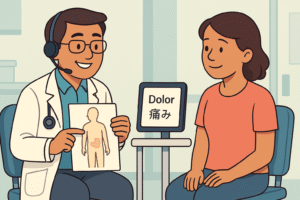
Body charts, diagrams, photos, and simple drawings help patients explain symptoms without relying on language alone. A quick sketch often communicates better than 10 English sentences.
The Teach-Back Method Improves Language Understanding
After giving instructions, I ask patients to repeat it in their own language or using gestures. This reduces errors, especially in medication use and follow-up care.
Language and Culture: The Hidden Barriers Doctors Forget
Cultural Beliefs About Illness Affect Language Interpretation
Different cultures express pain, fear, or symptoms differently. Some avoid direct eye contact. Some minimize pain. Understanding these differences prevents miscommunication even when language is shared.
Non-Verbal Language and Cross-Cultural Behavior
Posture, tone, and facial expression are also forms of language. For example, in some cultures raising your voice means disrespect; in others, it simply means urgency.
Gender Expectations Affect Medical and Language Communication
In some cultures, female patients may not feel comfortable discussing symptoms with male doctors, regardless of language fluency.
Emergency Cases: How I Communicate When There Is No Time for Language Support
Rapid Language-Based Triage Questions
I rely on:
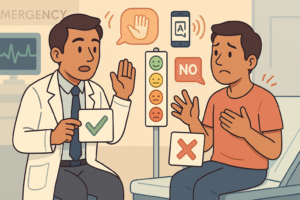
✔ Yes/no questions
✔ Pointing charts
✔ Pain score faces
✔ Hand gestures
These reduce reliance on full language sentences.
Using Apps Only for Simple, Fast Language Clarifications
In emergencies, translation apps can quickly identify allergies, symptoms, or drug names — but nothing beyond that.
Calling Interpreters Early to Avoid Medical Delays
In trauma, stroke, or chest pain cases, even a small language delay can change outcomes. Calling interpreters early has saved multiple cases in my experience.
Common Mistakes Doctors Make When Handling Language Barriers
Overusing Family Members as Language Interpreters
They may:
– Hide sensitive details
– Misinterpret symptoms
– Provide biased summaries
This is unsafe and often violates privacy.
Assuming “Nodding” Means Language Understanding
Patients often nod to avoid embarrassment, not because they understand. Always use teach-back.
Speaking Louder Instead of Simpler
Volume does not fix language gaps — clarity does.
Tools, Apps, and Resources to Improve Language Communication
Best Translation Apps for Medical Settings
-
Google Translate
-
Microsoft Translator
-
Canopy Speak
These tools help doctors solve immediate language barriers especially in fast-paced hospitals.
Multilingual Patient Handouts Improve Language Clarity
Discharge instructions in multiple languages help prevent medication misuse and follow-up failures.
Standardized Language Communication Checklists
Many hospitals adopt checklists to ensure consistent communication in multilingual environments. This reduces medical error rates significantly.
My Everyday Communication Checklist for Overcoming Language Barriers
This is the framework I personally use:
1. Use Plain Language
Short, simple sentences always beat complicated explanations.
2. Confirm Understanding Using Language Teach-Back
Have the patient repeat back instructions in their own language.
3. Use Visual Tools to Replace Language Complexity
Charts, pictures, gestures.
4. Bring an Interpreter for Anything Complex
History, consent, diagnosis, procedures.
5. Learn Basic Phrases in the Local Language
Learning small local phrases instantly changed how patients connected with me.
Language Should Never Be a Barrier to Compassion
A shared language makes communication easier — but it is not the only way to build trust. As foreign doctors working in multicultural hospitals, we must learn how to connect beyond words. Whether through interpreters, translation apps, visual tools, or simple human empathy, we can deliver safe, respectful care to every patient, no matter what language they speak.