
When Medicine Becomes a Lifestyle, Not Just a Job
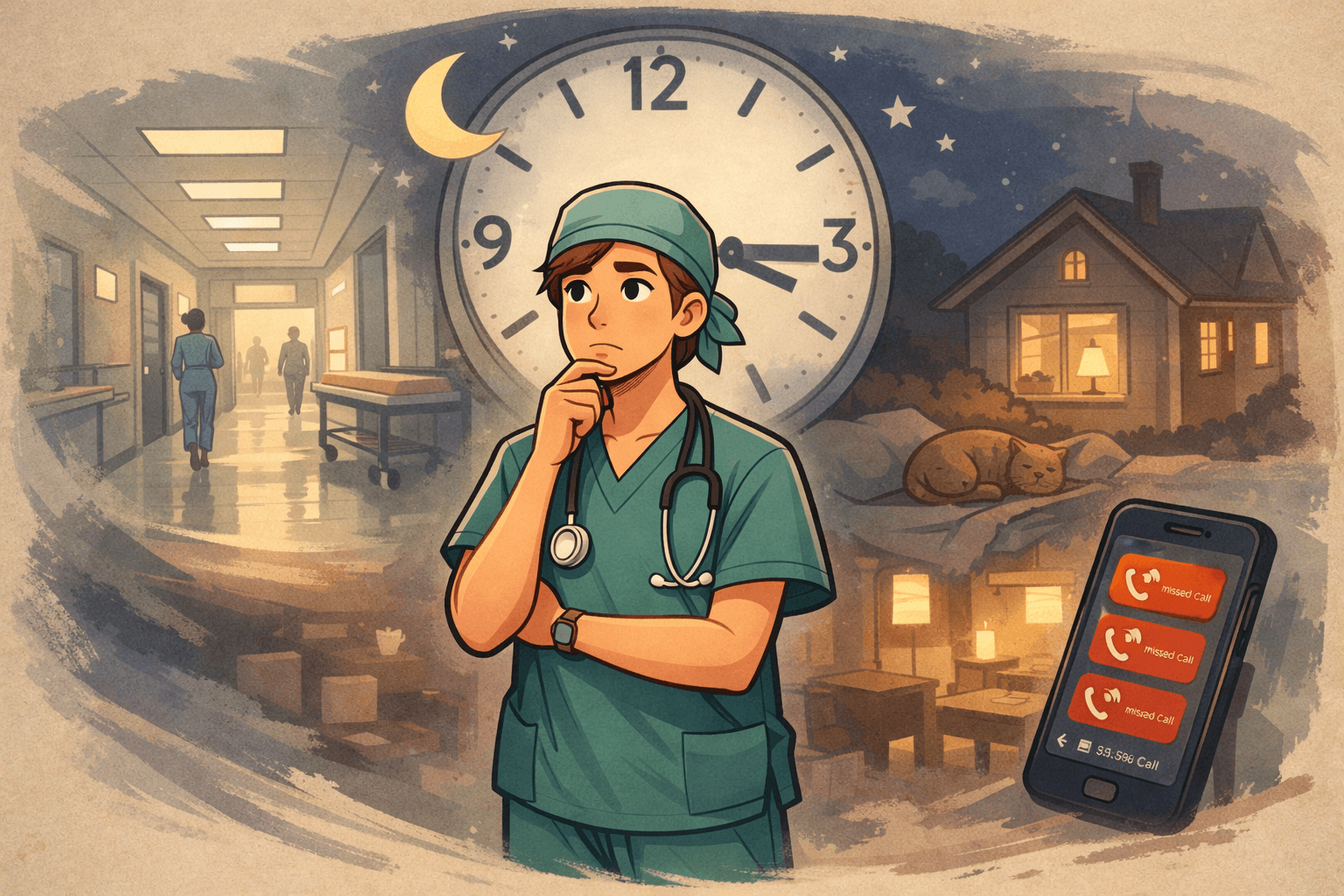
Medicine is often described as a profession, a calling, or a stable career. But for most doctors, medicine slowly becomes something much deeper — a lifestyle. You don’t simply work in medicine; you live it.
The medical lifestyle affects how you think, how you plan your time, how you relate to others, and how you see yourself. Even outside hospital walls, the identity of being a doctor follows you home. This is the part of medicine that no syllabus prepares you for — the reality that medicine isn’t just a job, it’s a way of life.
Why Medicine Naturally Turns Into a Lifestyle
Medicine doesn’t demand just skill — it demands availability, responsibility, and emotional presence. That’s why the medical career naturally evolves into a lifestyle rather than a simple occupation.
Years of training condition doctors to prioritize patients, systems, and outcomes over personal comfort. Over time, this shapes daily routines, habits, and even personality. The doctor lifestyle isn’t chosen overnight — it’s built slowly through expectations and repetition.
The Lifestyle of a Doctor Means Time Is Never Fully Yours
One of the hardest realities of the medical lifestyle is loss of control over time.
Night shifts, weekend duties, on-calls, emergency recalls — these are not exceptions, they are part of the lifestyle. Doctors often miss birthdays, weddings, holidays, and even rest days. Over time, this creates a quiet grief many doctors don’t openly acknowledge.
The reality of being a doctor is learning to live around work, not the other way around.
How the Medical Lifestyle Changes the Way You Think
Medicine rewires your brain.
You start seeing symptoms instead of stories. Risks instead of reassurance. Worst-case scenarios instead of best-case hopes. This mindset keeps patients safe — but it also follows you home.
This is why many doctors struggle to “switch off.” The medical lifestyle trains constant vigilance, even during supposed downtime. This is one reason doctor burnout is not just physical, but deeply cognitive.
Doctor Identity and the Lifestyle Problem
When Being a Doctor Becomes Your Entire Lifestyle
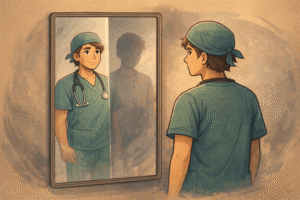
Many doctors reach a point where they ask: Who am I outside medicine?
The medical lifestyle slowly absorbs identity. Compliments, validation, and self-worth become tied to clinical performance. Rest begins to feel like laziness. Saying no feels irresponsible.
This is why the doctor identity crisis is so common — especially among young doctors and those working abroad.
The Emotional Lifestyle Cost No One Talks About
Medicine exposes doctors to pain, death, uncertainty, and responsibility daily. The emotional weight doesn’t disappear after a shift ends.
Studies consistently show high rates of emotional exhaustion and depersonalization among physicians.
The medical lifestyle requires emotional containment — but without support, this leads to numbness or burnout.
Relationships and the Doctor Lifestyle
How the Medical Lifestyle Strains Personal Relationships
Partners, friends, and family often struggle to understand the unpredictability of a doctor’s lifestyle. Plans are tentative. Energy is limited. Emotional availability fluctuates.
For doctors working overseas, the foreign doctor lifestyle adds isolation, cultural distance, and reduced support systems. Many doctors feel alone even when surrounded by people.
This is one reason physician loneliness is increasingly recognized as a serious issue.
The Good Side of the Medical Lifestyle
Despite the sacrifices, the lifestyle of medicine offers something rare: meaning.
Doctors witness humanity at its most raw. They experience trust few professions receive. The medical lifestyle builds resilience, perspective, and emotional depth.
Many doctors stay not because it’s easy — but because it’s meaningful.
How to Survive the Medical Lifestyle Without Losing Yourself
Redefining the Doctor Lifestyle for Sustainability
The problem isn’t medicine — it’s an unsustainable lifestyle without boundaries.
Doctors who thrive long-term often:
-
Build non-medical identities
-
Protect rest without guilt
-
Redefine success beyond productivity
-
Learn to emotionally decompress
The goal is not to escape medicine, but to reshape the lifestyle so it supports longevity.
Lifestyle Challenges Unique to Doctors Working Abroad
For doctors practicing internationally, the medical lifestyle becomes even more complex. New systems, new cultures, and professional isolation amplify stress.
The working abroad doctor lifestyle requires:
-
Emotional self-awareness
-
Strong routines
-
Intentional social connection
Without these, burnout arrives faster — and deeper.
Medicine Is a Lifestyle — But It Shouldn’t Consume Your Life
Medicine will always be more than a job. It will always be a lifestyle. But it does not have to erase everything else you are.
You can be a dedicated doctor and a whole human being. You can respect the medical lifestyle without being swallowed by it. The goal is not balance — it’s sustainability.
Because the best doctors are not the most exhausted ones — they are the ones who last.
Final Reflection
If you’re a medical student, junior doctor, or physician feeling overwhelmed, know this: the struggle isn’t personal failure. It’s the reality of the medical lifestyle — and learning to navigate it is part of the journey.







1 comment
Thanks lots Dr.