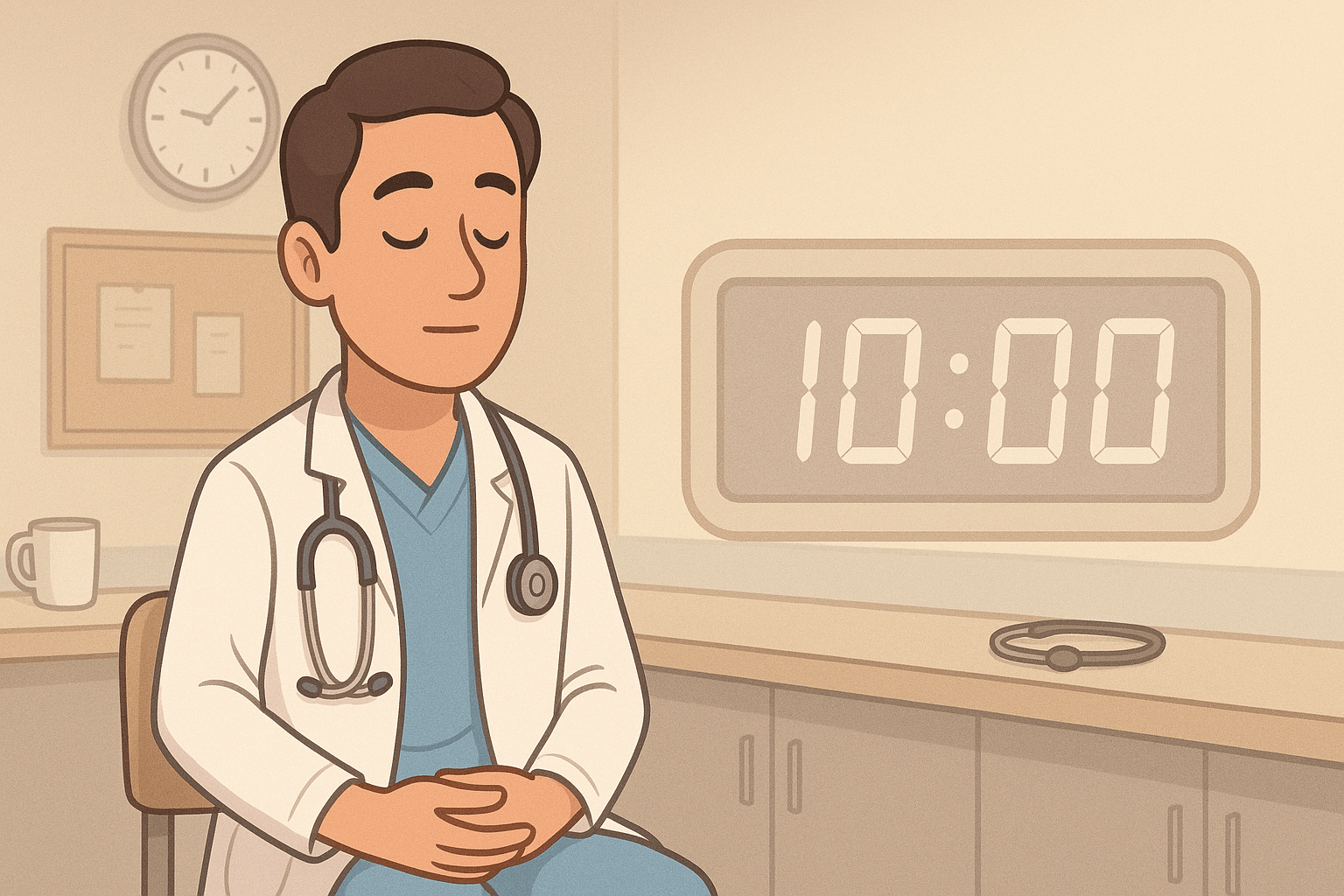

If you’re a doctor working long, unpredictable shifts, you’ve probably heard the word mindfulness more times than you can count. But here’s the truth: mindfulness isn’t a luxury or a trend — it’s a survival tool for modern medicine. As clinicians, we deal with mental overload, emotional stress, and hectic schedules that barely allow time to breathe. That’s exactly why 10-minute mindfulness practices can make a massive difference in your daily professional life.
In this post, I’ll share evidence-based mindfulness strategies, simple routines you can do during shifts, and practical ways to reduce stress and prevent burnout — no matter how busy you are.
Why Mindfulness Matters for Doctors in Modern Medicine
The Science Behind Mindfulness and Stress Reduction
Research consistently shows that mindfulness reduces stress, anxiety, and emotional exhaustion — three things every doctor is familiar with.
-
The Mayo Clinic notes that mindfulness can help reduce negative emotions and boost emotional resilience.
-
According to Harvard Health, even short mindfulness practices improve focus and decrease emotional reactivity.
How Mindfulness Helps With Focus and Clinical Judgment
Mindfulness increases working memory and attention control. In emergency medicine or busy ward rounds, this translates into:
-
Better decision-making
-
Fewer distractions
-
Improved ability to stay calm during critical moments
Why Even 10 Minutes of Mindfulness Is Enough
Studies from the National Center for Complementary and Integrative Health show that even brief mindfulness sessions can reduce stress markers.
Ten minutes is realistic, doable, and fits a healthcare worker’s schedule without disruption.

Common Challenges Doctors Face When Practicing Mindfulness
“I Don’t Have Time for Mindfulness” — The Most Common Barrier
Doctors often assume mindfulness requires 20–30 minutes, a quiet room, and perfect conditions.
All you really need is 1–10 minutes.
Mindfulness Is Hard for Shift Workers
Night shifts, sleep disruption, irregular eating, unpredictable workloads — they all make routine difficult.
That’s why micro mindfulness practices are more effective for doctors than long sessions.
Mental Overload and Inability to Switch Off
Many doctors experience:
-
Rumination after shifts
-
Intrusive thoughts about cases
-
Emotional fatigue
Mindfulness helps create mental boundaries that protect your wellbeing.
Feeling Guilty for Resting
Doctors often see rest as laziness.
Mindfulness reframes rest as a professional skill, not a weakness.
10-Minute Mindfulness Practices Doctors Can Use Anytime
1. One-Minute Box Breathing for Rapid Mindfulness
Box breathing (4-4-4-4 rhythm) quickly regulates your nervous system.
Perfect during:
- Between patients
-
Pre-shift anxiety
2. Mindfulness Body Scan Between Patients
A fast 2-minute grounding technique:
-
Notice your feet
-
Notice your breath
-
Notice any tension
This resets your mind before the next patient.
3. Five-Minute Micro-Meditation Before Handover
Sit in a quiet corner, close your eyes, and breathe slowly.
This reduces emotional carryover between shifts.
4. Mindful Walking in the Hospital Corridor
Turn your corridor walk into a mindful moment:
-
Feel your steps
-
Notice your breath
-
Observe without judgment
5. Mindful Handwashing
Handwashing becomes a built-in mindfulness cue.
Focus on:
-
The water
-
The temperature
-
The sensation
A 20-second reset dozens of times a day.
6. End-of-Shift Mindfulness Reflection
Ask yourself:
-
What went well?
-
What did I learn?
-
What can I let go?
This reduces rumination before sleep.

How Doctors Can Fit Mindfulness Into Busy Schedules
Mindfulness Habit Stacking for Clinicians
Pair mindfulness with existing routines:
-
After writing notes
-
Before donning PPE
-
During elevator rides
-
During tea break
Using Timers and Apps for 10-Minute Mindfulness
Simple tools like:
-
Insight Timer
-
Headspace
-
Calm
…offer 3–10 minute doctor-friendly sessions.
Mindfulness for Night Shift Doctors
Night shifts increase anxiety and reduce focus.
A 5-minute grounding practice before starting a night shift significantly stabilizes alertness and emotional control.

How Mindfulness Improves Patient Care
Better Communication and Emotional Regulation
Mindfulness helps you:
-
Speak more calmly
-
Listen more attentively
-
Avoid reactive responses
This improves doctor-patient relationships and team dynamics.
Reduced Irritability and Fewer Errors
Mindfulness improves focus → better medical judgment → fewer mistakes.
Improved Compassion and Empathy
Being present in the moment enhances clinical empathy, especially during emotionally charged encounters.
Questions Doctors Often Ask About Mindfulness
Is 10 Minutes of Mindfulness Really Enough?
Yes. Even 5 minutes can lower stress hormones and improve focus.
Should I Practice Mindfulness Before or After My Shift?
Both help, but:
-
Pre-shift mindfulness = better focus.
-
Post-shift mindfulness = improved emotional recovery.
What If I Keep Losing Focus?
That is the practice.
Mindfulness is not about clearing your mind but gently returning attention.
What If I Feel Sleepy During Meditation?
Normal.
Shift workers should use short upright practices instead of lying down.
My Personal Mindfulness Routine as a Doctor Working Overseas
As an Emergency Medical Officer, I try to integrate mindfulness into small pockets of my day:
-
One-minute breathing before entering the ED
-
Mindful walking in the hospital
-
Five-minute post-shift meditation before leaving the hospital
-
Beach-side mindful walks on off-days
This mix of micro-mindfulness and short routines keeps my stress levels manageable, especially during chaotic days with multiple critical cases.
Final Takeaway — Small Mindfulness Habits Create Big Changes
Mindfulness doesn’t require long hours or perfect circumstances.
Even 10 minutes a day can significantly reduce stress, improve focus, and strengthen emotional resilience — qualities every doctor needs.
Try just one practice today and notice the difference.








1 comment
Thanks for sharing .